Building a Strong Foundation: Establishing Core Values

Identifying Shared Goals and Objectives
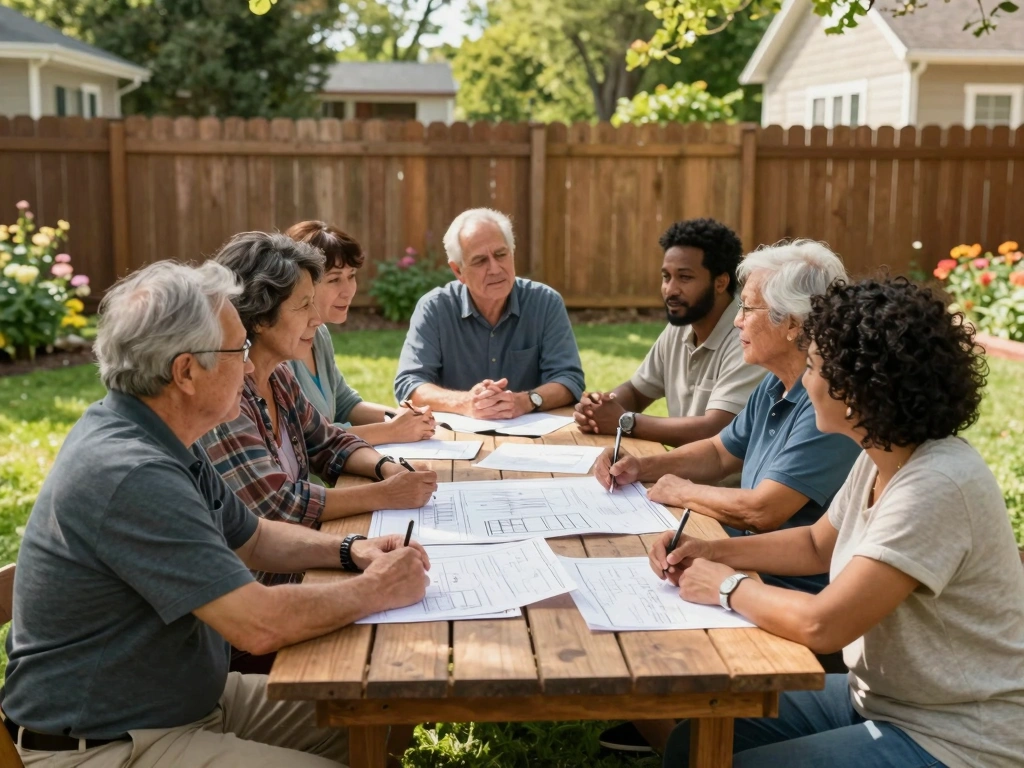
Establishing a mutual aid network begins with a clear understanding of shared goals and objectives. This is not merely about coming together for a single cause; it’s about creating an overarching mission that reflects the community's needs and aspirations. Effective mutual aid networks often start with a community assessment that identifies key challenges faced by members. For instance, a network in a low-income urban neighborhood might focus on food security, access to healthcare, and housing stability. By using surveys, focus groups, and community forums, networks can gather input to align their objectives with the actual needs of their members.
Creating Inclusive Decision-Making Processes
Inclusivity in decision-making fosters a sense of ownership among members, which is critical for the sustainability of mutual aid networks. One effective practice is to implement a consensus-based decision-making process where all voices are heard and valued. For example, the People’s Collective for Justice in New York City uses a rotating facilitation model in their meetings, ensuring that every member has the opportunity to lead discussions and contribute to decisions. This approach not only democratizes the process but also empowers individuals who may typically feel marginalized.
Fostering Trust and Transparency Among Members
Trust is the bedrock of any successful mutual aid network. Building this trust requires transparency in all operations. Regular financial reports and updates on resource allocation can help reassure members that resources are being used effectively and ethically. For example, the Mutual Aid Disaster Relief network provides quarterly reports that detail how funds are distributed and what resources are available. This transparency helps build confidence in leadership and encourages more members to get involved.
Effective Communication Strategies for Engagement
Utilizing Multiple Platforms for Outreach
In an age where digital communication is the norm, mutual aid networks must leverage multiple platforms to reach a broader audience. Utilizing social media platforms like Facebook, Instagram, and Twitter, along with community bulletin boards and local radio stations, can enhance outreach. For instance, the Queer Mutual Aid Network employs a multi-channel approach by using Instagram for visual storytelling, Twitter for real-time updates, and community newsletters for detailed communications. This multi-faceted strategy ensures that all community members, regardless of their preferred communication method, can stay informed and involved.
Encouraging Open Dialogue and Feedback
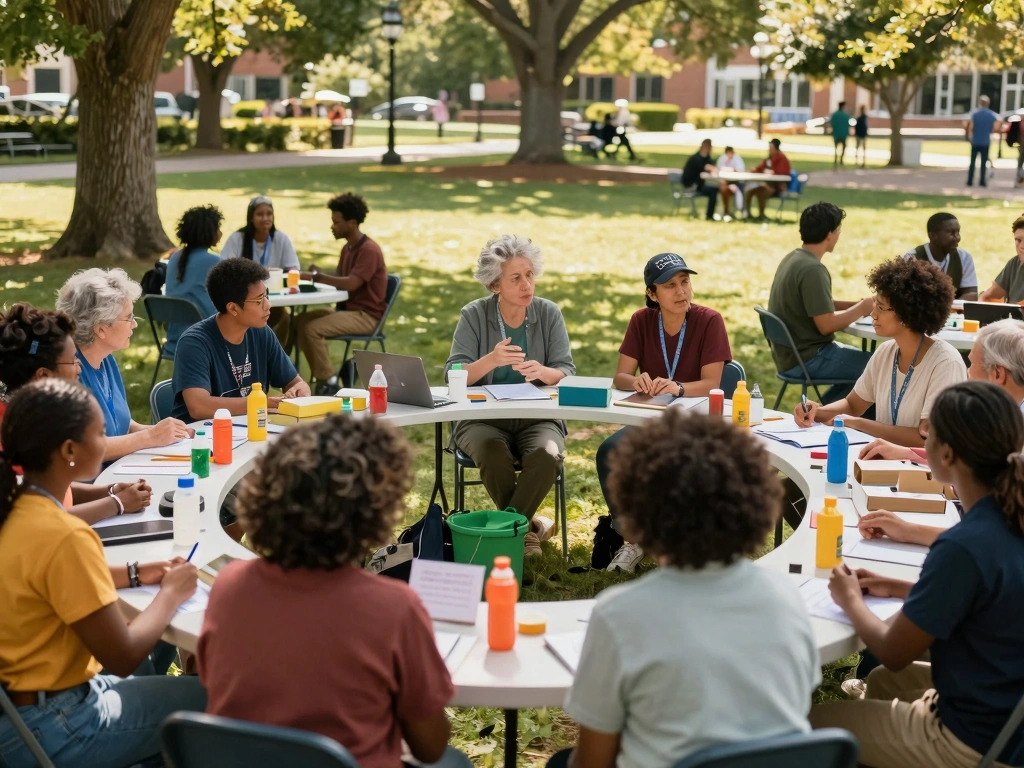
Open dialogue is essential for engagement and improvement. Mutual aid networks can facilitate this through regular town hall meetings where members can voice concerns, share experiences, and suggest improvements. For example, Oakland’s Mutual Aid Collective holds bi-monthly meetings that not only update members on ongoing initiatives but also encourage participants to share feedback on what is working and what isn’t. This two-way communication reinforces community bonds and validates each member's contribution.
Creating Regular Updates and Information Sharing
Consistency in communication is crucial. Creating weekly or monthly newsletters that highlight achievements, upcoming events, and urgent needs can keep members engaged and informed. The Chicago Mutual Aid Network produces a monthly newsletter that features success stories, volunteer opportunities, and resources available for community members. This not only keeps everyone informed but also celebrates collective achievements, fostering a sense of community pride.
Resource Management: Efficient Allocation and Distribution
Assessing Community Needs for Resource Allocation
A successful mutual aid network must regularly assess the evolving needs of the community to allocate resources effectively. Conducting regular needs assessments through surveys or community meetings can inform the network’s priorities. For example, the New Orleans Mutual Aid network conducts seasonal surveys to identify pressing needs such as food supplies during hurricane season or health services during flu outbreaks. This proactive approach enables them to tailor their responses and allocate resources where they are most needed.
Implementing Inventory Tracking Systems
Efficient resource management requires robust inventory tracking systems. Utilizing tools such as Google Sheets for real-time tracking of supplies and resources can streamline operations. For instance, a mutual aid network might set up a shared document where volunteers can log donations as they come in, track the inventory of food and hygiene supplies, and monitor usage rates. This transparency allows for better planning and ensures that resources are available when needed.
Coordinating Resource Distribution Events
Organizing resource distribution events effectively can maximize impact. Successful networks often coordinate with local organizations to establish regular distribution days. For example, the Los Angeles Mutual Aid group partners with local farmers and grocery stores to host weekly food pantry events, ensuring that fresh produce and essential items are accessible to those in need. These events not only provide necessary resources but also serve as community-building opportunities, allowing members to connect and share their experiences.
Building Relationships and Partnerships
Identifying Potential Collaborators and Allies
Forming partnerships with local organizations, nonprofits, and businesses can significantly enhance a mutual aid network’s capacity. Identifying potential allies involves researching local groups that share similar missions or serve overlapping populations. For instance, the Detroit Mutual Aid network collaborates with local food banks, shelters, and health clinics to extend its reach and effectiveness. By pooling resources and expertise, these partnerships can create a more comprehensive support system for the community.
Establishing Mutual Support Agreements
Creating formal agreements with partner organizations can enhance accountability and clarify roles. These agreements can outline how each party will contribute and what expectations exist. The Seattle Mutual Aid Coalition has established mutual support agreements with local nonprofits to share resources, volunteers, and information, ensuring a unified response to community needs. This structured approach helps prevent misunderstandings and reinforces collaborative efforts.
Leveraging Community Resources and Expertise
Each community is rich in resources and expertise. Identifying and leveraging these assets can strengthen mutual aid networks. For example, a network might benefit from the skills of local healthcare professionals who volunteer to provide health screenings or workshops. The Baltimore Community Health Coalition has successfully integrated local health professionals into their mutual aid efforts, offering free clinics and wellness workshops that address both physical and mental health needs. This not only improves service offerings but also builds trust within the community.
Sustaining Engagement: Retention and Growth Strategies
Creating Volunteer and Leadership Development Programs
To sustain engagement, it’s essential to invest in the development of volunteers and leaders within the network. Providing training programs that enhance skills such as conflict resolution, community organizing, and resource management can empower members. For instance, the Atlanta Mutual Aid network runs quarterly leadership training workshops that equip volunteers with the tools and knowledge to take on more significant roles within the organization. By fostering leadership, networks can ensure a steady flow of motivated individuals ready to take initiative.
Recognizing and Celebrating Member Contributions
Recognition plays a vital role in member retention. Acknowledging the hard work and dedication of volunteers fosters a sense of belonging and motivates continued participation. The San Francisco Bay Area Mutual Aid network hosts annual appreciation events where they celebrate volunteers’ contributions with awards, public recognition, and community celebrations. This not only rewards individual efforts but also reinforces the collective mission of the network.
Implementing Feedback Loops for Continuous Improvement
Finally, establishing feedback loops is essential for continuous improvement within mutual aid networks. Regularly soliciting feedback from members about what is working and what could be improved helps organizations adapt to changing needs. The Philadelphia Mutual Aid network uses anonymous surveys after events to gather insights from participants, which are then reviewed in planning meetings. This iterative approach allows the network to evolve and remain responsive to its members’ needs.